Known card, weapon, award, map and match records stay exact.
Merc Value Guide / Field Intelligence
What are you carrying next?
DBRanked reads your comfort pool first, then finds the smallest evidence-backed change worth testing.
Modern field archive
Updated 13 Jul 2026
666 ranked dossiers / 303 current functional cards
Merc intelligence cache is not ready. The Field Encyclopedia remains available below.
Field locker
Set the next match
Claimed profiles lock automatically. Public visitors can inspect any currently ranked player.
No profile locked
Lock onto a ranked profile
Search a player above to arm personal merc and loadout intelligence.
Why you can trust the read
Evidence stays separated
A large archive does not turn an association into a promise.
Your whole-match result while carrying a complete deck. It is personal, not falsely split across three cards.
Modern compatible squad and opposition associations after available player and lobby context controls.
Long-run map carries are adjusted against each player's own baseline. They are associations, not promises.
Open the evidence rules
Player skill and lobby context remain the largest forces. Merc composition adds a smaller repeatable edge; functional cards add a smaller edge beneath the merc choice. Map-specific card effects remain provisional until their strict stability gate clears.
DBRanked says test when population evidence exists but your own record has not confirmed the candidate. It says keep only when your personal field record and the modern archive direction agree.
Dirty Bomb field manual
Mercs before meta
Choose a role, then inspect every functional card for the merc. Read the loadout code, weapons and three augments; skin color is cosmetic.
Map Room
The ground changes the job
Supported Objective and Stopwatch evidence only. No invented attacker or defender labels.
Select a map
Field standby
Choose a map to read long-run carried-card, duel and combat associations.
Squad Lab / pair scan
Who strengthens your card?
This first production lane reads stable card-pair and opponent-pressure associations. It does not pretend three choices describe a whole 8v8.
Your card
Teammate card
Opposing card
Choose three functional cards
The lab returns only associations that clear the public stability gate. Missing evidence stays missing.
DBRanked intelligence archive / 14 field chapters
Dirty Bomb
Dirty Bomb
Field Manual
Everything DBRanked can say honestly about mercs, cards, maps, players and winning rounds. No tier-list theatre. No invented certainty.
23 mercs
303 public functional loadouts
11 mapped battlegrounds
14 knowledge chapters

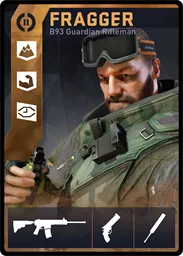
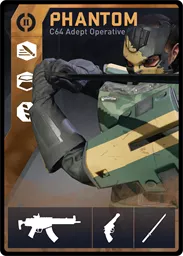
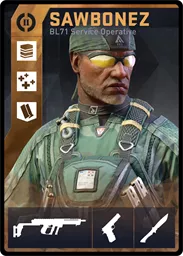
FIELD ARCHIVEONLINE
0 matching chapters
FIELD DOCTRINE
READ THIS FIRST
Field Laws
Twelve conclusions that survived the argument.
The map is part of the opponent.
Side and mode context can move a match far away from a flat 50/50 expectation.
ARCHIVEKills can create an opening. The team still has to spend it.
A duel matters most when the squad converts the space, time or missing enemy into the next action.
ASSOCIATIONThe scoreboard is a receipt, not proof of a carry.
Being first on your own team did not reliably separate winners from losers in the archive.
ASSOCIATIONPopular is not the same as proven.
High pick rate describes comfort and availability before it describes performance.
ASSOCIATIONThe right merc can still carry the wrong card.
Same-merc loadouts produced materially different outcomes inside the lower-skill archive band.
ARCHIVEAccuracy is a tool, not the job.
Weapon, range, volume and conversion decide whether clean aim becomes useful pressure.
ARCHIVEDamage left unconverted is pressure left on the floor.
Damage becomes valuable when it creates a kill, objective window, assist or safe team action.
ASSOCIATIONRoles are tendencies, not cages.
Mercs leave recognizable action patterns, but useful players still adapt to the round.
OBSERVEDYour three-card deck is not three equal lives.
Most standout matches had one contribution-leading merc rather than an even three-way split.
ESTIMATEDNo universal squad recipe has been proven.
Pair reads remain associations; coverage is a practical doctrine, not a guaranteed composition formula.
ASSOCIATIONThere is no universal fatigue law.
Some players open cold, some fade, some are clock-sensitive and some remain steady.
PERSONALNo read is better than a fake answer.
When sample, identity or context is missing, DBRanked must stop instead of inventing neutrality.
NO-READUse it next matchAsk what action your card creates, where that action matters, and whether the team can convert it.
ARCHIVE / ASSOCIATION
How Matches Are Won
Kills create time and space. The team still has to spend them.
01Duel02Opening03Action04Round
50.3%XP leaders who won / 52,248 rows
The scoreboard-hero paradox
Own-team XP leaders won 50.3% across 52,248 filtered team-leader rows from 26,322 matches. The same sample's baseline was 51.7%.
Being first is evidence of output, not proof that the output caused the result.Strongly associated with winning, but partly outcome-linked because successful teams receive more objective opportunities.
Most useful in close games, where one living player can still complete the next decisive action. Blowouts hide that effect.
Often describe usable team pressure better than a disconnected final kill count.
Return a downed teammate to the live objective fight.
Keep the squad alive long enough to complete the next action.
Restore the EV or objective machinery; engineers complete this fastest.
Arm or disarm C4 where the round is decided.
Move the EV or stop the enemy from moving it.
Carry the objective item through the route and finish the delivery.
Deny a plant, defuse, capture, repair or delivery at the decisive moment.
Take out the planter, defuser, engineer or medic when that removal changes the round.
Control the ground the enemy must cross or occupy.
Remove turrets, mines, stations and shields that block the team.
Break a defensive stack so teammates can enter and act.
Turn combat, support and utility into progress toward the round win.
Open evidence boundary
The scoreboard comparison used 52,248 filtered team-leader rows from 26,322 historical matches: 50.3% for own-team XP leaders against a 51.7% sample baseline. Objective XP is partly outcome-linked because winning creates more objective opportunities. The safe conclusion is not that kills are useless; raw personal rank on the scoreboard does not prove match causation.
Use it next matchAfter a pick, immediately call the next action: plant, repair, escort, revive, cross or hold the return route.
ARCHIVE / OBJECTIVE
11 MAPS
The Map Is an Opponent
Historical Objective rounds did not begin as eleven copies of the same 50/50 fight.
Attack pressure50 / 50Defense pressure
Castle1,313 rounds / 95% CI 65.6-70.6%
68.2%Defense
Dome Redux840 rounds / 95% CI 63.7-70.0%
66.9%Defense
Bridge5,470 rounds / 95% CI 62.3-64.9%
63.6%Defense
Underground6,437 rounds / 95% CI 61.3-63.6%
62.5%Defense
Dome1,207 rounds / 95% CI 59.1-64.6%
61.9%Defense
Dockyard1,207 rounds / 95% CI 56.4-61.9%
59.2%Defense
Terminal Redux697 rounds / 95% CI 52.5-59.9%
56.2%Defense
Terminal3,573 rounds / 95% CI 49.5-52.8%
51.1%Even
Heist1,090 rounds / 95% CI 47.2-53.2%
50.2%Even
Whitechapel6,610 rounds / 95% CI 44.8-47.2%
46%Attack
Trainyard4,744 rounds / 95% CI 40.6-43.4%
42%Attack
MODE SHIFT
Stopwatch is not Objective with a longer timer.
The same side's observed outcome share moved by 22.9 points on Dome Redux, 16.9 on Underground and 16.2 on Bridge between the two modes.
Dome Redux: 840 Objective / 166 Stopwatch. Underground: 6,437 / 1,580. Bridge: 5,470 / 1,501.Open map evidence
These are historical mode-specific outcomes, not a claim about developer intent or a guarantee for the current lobby. Objective side labels are inferred from consistent objective-side behaviour. Team strength and player selection cannot be separated perfectly from geometry. Use the chart as context, not destiny.
Use it next matchChange the plan before blaming the aim: identify the map's hard action, then bring the specialist, sustain and denial needed to complete it.
Open the interactive Map Room
GAME FACT / FIELD READ
23 DOSSIERS
Merc Jobs
Roles describe repeated jobs. They do not excuse a player from reading the round.
01MedicRevives / heals / team uptime5 mercs
Game factMedics restore health and return downed teammates to the fight. Their value is highest where healing and the objective overlap.
Creates valueKeep the planter, defuser, engineer and front line alive long enough to finish the action.
Failure modeReviving into open fire, healing only yourself, or placing sustain where the fight is not happening.
Medic
SAWBONEZ
- Abilities
- Med Packs + Defibrillators
- Purpose
- Constant healing and fast revives keep the objective squad moving.
- Works when
- Cycle packs through teammates and revive from cover near the objective.
- Fails when
- Hoarding packs or reviving directly into open fire.
- DBRanked read
- Most direct ranked value
Medic
AURA
- Abilities
- Healing Station + Defibrillators
- Purpose
- Sustained area healing and fast revives turn one defended position into a team anchor.
- Works when
- Place the station where the fight and objective overlap.
- Fails when
- Parking the station in safe ground nobody needs.
- DBRanked read
- Most direct ranked value
Medic
PHOENIX
- Abilities
- Healing Pulse + Defibrillators + Self Revive
- Purpose
- Mobile healing and close-fight revives suit aggressive objective pressure.
- Works when
- Pulse inside the push, revive quickly and return with the squad.
- Fails when
- Using Self Revive only to continue a disconnected fight.
- DBRanked read
- Most direct ranked value
Medic
SPARKS
- Abilities
- REVIVR / Revive Gun + Med Packs
- Purpose
- Fast ranged revives recover teammates that another medic cannot safely reach.
- Works when
- Use sightlines to revive while a healing partner sustains the team.
- Fails when
- Acting as the only source of healing in a long fight.
- DBRanked read
- Strong with a second medic
Medic
GUARDIAN
- Abilities
- Sky Shield + Bionic Pulse + IDS
- Purpose
- Area revival and denial of airstrikes, artillery, rockets and grenades protect crowded objective actions.
- Works when
- Deny incoming explosives and pulse-revive where the team is committed.
- Fails when
- Shielding empty space or replacing active healing when the team needs it.
- DBRanked read
- Direct utility / composition dependent
02EngineerRepair / plant / defuse4 mercs
Game factAny merc can touch the objective, but engineers complete repairs, plants and defuses faster and carry kits built to hold that ground.
Creates valueDo the objective work, then use mines, turrets, stickies or shields to keep the action alive.
Failure modeLeaving the objective to protect a deployable or trap that no longer affects the round.
Engineer
PROXY
- Abilities
- Proximity Mines + Objective Specialist
- Purpose
- Speed on plants, defuses and repairs combines with close objective traps.
- Works when
- Do the objective yourself and mine the routes enemies must use to stop it.
- Fails when
- Leaving mines in distant corners while the objective is exposed.
- DBRanked read
- Most direct objective value
Engineer
BUSHWHACKER
- Abilities
- Turret + Objective Specialist
- Purpose
- Fast objective work backed by persistent defensive pressure.
- Works when
- Aim the turret across the actual plant, repair or delivery route.
- Fails when
- Building a turret lane that never intersects the objective fight, especially while attack has already moved.
- DBRanked read
- Direct value on defense
Engineer
FLETCHER
- Abilities
- Sticky Bombs + Objective Specialist
- Purpose
- Fast objective actions plus deployable destruction and explosive control of tight plant and defuse space.
- Works when
- Use accurate stickies to clear or hold the exact ground the team needs.
- Fails when
- Throwing explosives without timing, accuracy or objective follow-up.
- DBRanked read
- Direct value with execution
Engineer
TURTLE
- Abilities
- Shield Generator + Objective Specialist
- Purpose
- Creates temporary cover for plants, defuses, repairs and revives under fire.
- Works when
- Place the shield so a teammate can complete a real action behind it.
- Fails when
- Shielding ground that does not change what the team can complete.
- DBRanked read
- Most direct enabling value
03Fire SupportAmmo / denial / EV and C4 pressure5 mercs
Game factFire Support keeps weapons supplied and forces enemies out of the ground they need to hold.
Creates valueTime area denial with a plant, defuse, escort, repair or team entry so the squad can use the space you clear.
Failure modeUsing a strike, barrage or laser for isolated kills after the objective fight has moved.
Fire Support
SKYHAMMER
- Abilities
- Air Strike + Ammo Pack
- Purpose
- Supplies the squad and clears exposed objective ground.
- Works when
- Strike the plant, defuse or EV line when the enemy must occupy it.
- Fails when
- Chasing distant kills with an air strike the objective never needed.
- DBRanked read
- Direct objective-stop value
Fire Support
ARTY
- Abilities
- Artillery Spotter + Ammo Pack
- Purpose
- Repeated denial pressures exposed routes, vehicles and objective positions.
- Works when
- Keep artillery on the ground the enemy must cross or hold.
- Fails when
- Calling barrages where no objective action is possible.
- DBRanked read
- Direct denial value
Fire Support
STOKER
- Abilities
- Molotov Grenade + Ammo Station
- Purpose
- Sustained ammo and fire denial stall C4 timing and control tight chokes.
- Works when
- Burn the exact plant, defuse or push route at the moment it matters.
- Fails when
- Setting fire to empty ground after the fight has moved.
- DBRanked read
- Direct stall value
Fire Support
KIRA
- Abilities
- Orbital Laser + Ammo Station
- Purpose
- Precise moving denial can break entrenched and shielded objective positions.
- Works when
- Drive the laser through the position the enemy must hold; value depends on map space and timing.
- Fails when
- Using the laser as an isolated pick tool with no team push.
- DBRanked read
- Strong / map and timing dependent
Fire Support
JAVELIN
- Abilities
- Rocket Launcher + Smart Ammo-Dispensing Armour
- Purpose
- Explosive entry pressure breaks stacks while the armour keeps nearby teammates supplied.
- Works when
- Fire into a defensive stack immediately before the team commits.
- Fails when
- Rocket-fishing in lanes disconnected from the objective.
- DBRanked read
- Strong with team follow-up
04AssaultEntry / clear / protect4 mercs
Game factAssault mercs absorb pressure and open rooms with durable combat kits.
Creates valueClear the plant, defuse or escort lane, then occupy the space so the objective player can work.
Failure modeWinning a distant duel while the round is decided somewhere else.
Assault
FRAGGER
- Abilities
- Frag Grenade
- Purpose
- Durable entry pressure opens rooms and protects objective players.
- Works when
- Clear the plant, defuse or escort route and occupy the space you win.
- Fails when
- Winning fights in lanes that do not move the round.
- DBRanked read
- Strong when pressure protects the objective
Assault
NADER
- Abilities
- Grenade Launcher + Martyrdom
- Purpose
- Repeated explosives clear clustered defenders, deny tight objectives and can stop an action after she is downed.
- Works when
- Break the objective position and let the team enter behind the pressure.
- Fails when
- Self-gibbing on teammates or spamming for damage without creating usable ground.
- DBRanked read
- Strong objective area control
Assault
RHINO
- Abilities
- Minigun
- Purpose
- Heavy sustained pressure can hold a lane and absorb attention for the squad.
- Works when
- Stand where the minigun protects a real team action.
- Fails when
- Becoming a slow, isolated kill platform away from the objective.
- DBRanked read
- High-risk / situational
Assault
THUNDER
- Abilities
- Concussion Grenade
- Purpose
- Disables defenders long enough for teammates to enter or finish an action.
- Works when
- Stun immediately before the squad pushes, plants or defuses.
- Fails when
- Throwing the concussion with nobody ready to exploit it.
- DBRanked read
- Strong team enabler
05ReconInformation / timing / disruption5 mercs
Game factRecon creates information, sightline control and disruption. Phantom is the close-range infiltrator inside this role.
Creates valueExpose or remove the planter, defuser, engineer or medic at the exact moment the objective depends on them.
Failure modeCollecting picks without detection, disruption, timing or objective follow-through.
Recon
VASSILI
- Abilities
- Heartbeat Sensor
- Purpose
- Team-wide information and decisive long-range picks expose the objective defense.
- Works when
- Keep the sensor active and remove the planter, defuser, engineer or medic.
- Fails when
- Counting headshots while the sensor and objective stay ignored.
- DBRanked read
- Strong utility with decisive picks
Recon
AIMEE
- Abilities
- SNITCH Device
- Purpose
- Detection and debuff pressure make exposed enemies easier for the whole team to remove.
- Works when
- Place SNITCH where the team can immediately fight the marked targets.
- Fails when
- Treating the merc as a personal sniper with unused team utility.
- DBRanked read
- Strong utility with decisive picks
Recon
REDEYE
- Abilities
- Smoke Grenade + IR Goggles
- Purpose
- Controls sightlines and creates covered objective windows.
- Works when
- Smoke the sightline that prevents a plant, defuse, revive or push.
- Fails when
- Using smoke only to create private fights away from the team.
- DBRanked read
- High-risk / situational
Recon
HUNTER
- Abilities
- Crossbow with Standard and EMP Bolts
- Purpose
- Picks and EMP disruption can remove the utility blocking an objective play.
- Works when
- Disable the deployable or ability the team cannot push through.
- Fails when
- Using the crossbow as a basic ranged weapon while ignoring disruption.
- DBRanked read
- High-risk disruption specialist
Recon
PHANTOM
- Abilities
- Refractive Armour + EMP
- Purpose
- The only close-range recon infiltrates, disrupts deployables and collapses a backline at the decisive moment.
- Works when
- EMP the setup and use the close-range weapon package to remove the medic or engineer as the team commits.
- Fails when
- Collecting cloaked kills with no timing, disruption or objective effect.
- DBRanked read
- Highest timing risk
Keep the planter, defuser, engineer and front line alive long enough to finish the action.
Do the objective work, then use mines, turrets, stickies or shields to keep the action alive.
Time area denial with a plant, defuse, escort, repair or team entry so the squad can use the space you clear.
Clear the plant, defuse or escort lane, then occupy the space so the objective player can work.
Expose or remove the planter, defuser, engineer or medic at the exact moment the objective depends on them.
Use it next matchChoose the missing job first. Choose the merc second. Choose the functional card third.
ARCHIVE / LOWER-SKILL COMPARISON
303 PUBLIC CODES
Loadout Reality
The functional code is the gameplay package. Card colour is cosmetic.
- Functional codeB93 is the gameplay family. Older art and current art stay grouped under the same code.
- Current cardRecommendations show the current in-game version with three augments.
- Weapon packageThe primary, secondary and melee silhouettes are the weapons you carry.
- ArchiveOlder skins and older displayed-augment revisions remain part of this code's evidence history.
5.8median same-merc lower-skill spread / points
- 23
- mercs with gated lower-skill card comparisons
- 4
- mercs with an 8+ point best-to-worst spread
- 59
- observed risk cards inside that archive band
A player can understand the job and still fight the weapon or augment package.
A same-merc swap protects comfort while testing a smaller and clearer change.
Performance differences are visible. The archive did not prove that bad cards caused players to leave.
Open loadout evidence
The modern loadout archive collapses cosmetic card art into merc plus functional code. This comparison uses a lower-skill archive band, not a verified first-time-player cohort. Same-merc results were sample-gated and adjusted against available player context. Selection remains: players own different cards, and an association does not guarantee an individual gain.
Use it next matchIf a merc feels wrong, test another current three-augment card for that same merc before abandoning the role.
Inspect all current cards
ARCHIVE / 5,720 CARRY ROWS
Aim, Damage and Conversion
Mechanical skill matters. The question is what the match receives from it.
KILLS/MIN
XP/MIN
39.5%top-decile overlap / 226 of 572Engineer had the strongest accuracy-to-XP association; Recon had the strongest accuracy-to-team-dominance association.
Damage becomes useful when it secures space, an assist, a kill, survival or objective access.
Strong players did not simply avoid all damage; they created more useful work from each exposure.
Open combat evidence
The comparison contains 5,720 award-decodable carry rows. The 39.5% figure is 226 overlapping rows among 572 top-decile kills-per-minute rows and the top-decile XP-per-minute set; it is not a per-match top-killer versus top-scorer count. Accuracy remained role-dependent: Engineer led the XP association while Recon led the team-dominance association. Context is mandatory.
Use it next matchAfter dealing damage, ask what changed: enemy removed, route opened, teammate saved, objective touched, or nothing converted.
ARCHIVE / ASSOCIATION
Team Shape and Counterplay
A squad becomes fragile when nobody owns one of the jobs the map requires.
SustainObjectiveDenialEntryInformation
Role coverage is practical field doctrine. Squad Lab reports card-pair and opponent-pressure associations; it does not crown a permanent team composition.
Entrenched objective stack
Area denial plus timed entryFire Support forces movement; Assault converts that movement into usable space.
Turrets, mines, stations or shields
EMP and deployable pressurePhantom and Hunter can disrupt utility; direct destruction remains valid when the team can follow.
Long sightline locking the route
Smoke, detection or synchronized entryRedeye changes the sightline; Recon exposes the holder; the squad crosses while the window exists.
Explosive pressure over a crowded action
Projectile denial and relocationGuardian can protect a committed objective window; standing in the same exposed ground is not a counter.
Objective race with no specialist
Engineer plus sustainThe engineer shortens the action window while a medic keeps that player alive.
Backline support carrying the defense
Timed key-target removalThe useful pick is the medic or engineer removed as the team commits, not a disconnected kill before or after.
Open composition boundary
The available trio-frequency statistic describes one player's selected three-merc deck, not three teammates. It is therefore excluded from squad claims. Pair and opponent-pressure results remain associations shaped by players, maps and lobbies. Use Squad Lab as a test generator, not a winner prediction.
Use it next matchBefore doubling a role, check whether the squad can still sustain, do the objective, enter, deny and see the threat.
Open Squad Lab
ARCHIVE / VISIBILITY DEPTH
New Player Survival
Most identities in a 2018+ first-seen cohort have very shallow recorded history.
202,348players first observed from 2018 onward89.6%three or fewer recorded player-match rows
HISTORICAL COHORT
The visibility-depth problem
89.6% of 202,348 players first observed from 2018 onward have three or fewer total recorded player-match rows. Rows are not sessions, and the archive does not reveal why an identity disappeared.
Cause not measured. The route below remains useful.- Pick one useful jobHeal, revive, repair, plant, supply or clear a specific route.
- Learn one objective routeKnow where the action moves after each phase.
- Change the card before the mercTest a better weapon or augment package without deleting your comfort.
- Add one counterBring an answer for the problem that stopped the previous push.
Open cohort boundary
This chapter publishes career-depth visibility only. Earlier 7-day and 30-day return rates were removed because the original denominators included players too young to complete those windows. Three recorded rows do not prove one session, and disappearance from the archive does not prove quitting. Card-caused retention remains unresolved.
Use it next matchDo not judge Dirty Bomb from one default card. Give one merc a second functional loadout and one complete objective route.
ARCHIVE / CARRY ROWS + DECK ROWS
Player Habits
The deck a player selects and the merc producing most of the measurable work are not always the same story.
83.5%median contribution-leading merc share
These three figures use 5,720 award-decodable carry rows. Longer matches spread contribution more; exact historical minutes per merc are unavailable.
The most common personal three-merc deck among 485,197 eligible player-match rows.
Different personal deck combinations needed to cover half of those rows.
These are one player's three selected mercs, not three teammates or a winning lineup.
The card you trust reduces decision load and can keep your play coherent.
Players often main a role fantasy as much as a numerical kit.
Flex is useful when it fills a real job, not when it changes mercs without changing the plan.
Use it next matchKeep your comfort card, but make the second slot answer a problem your main cannot solve.
Open Merc Atlas
PERSONAL / GATED
The Human Operator
DBRanked's Session Lab can return different personal read states; it does not assign one rule to the population.
Cold opener
The first deploy runs below the player's later level.
Session fade
Later deploys lose quality after a strong opening.
Clock-sensitive
Performance changes more by time window than deploy order.
Steady operator
No strong deploy-order signal clears the personal gate.
Your pattern cannot be borrowed from another player or from a global average.
The page reads scored performance shape. It does not diagnose health or sleep.
Small histories should remain building rather than issue a stopping order.
Open Session Lab boundary
The four panels are possible personal read states, not measured population shares. Each player's own eligible scored updates are grouped into sessions and compared by deploy order and time window. Sparse multi-deploy histories remain BUILDING SIGNAL instead of receiving a fatigue verdict.
Use it next matchWarm up when your own history says you open cold; stop only when your own repeated pattern says the decline is real.
Open DBLabs Fatigue
ARCHIVE / UNEQUAL ERA SAMPLES
The Living Field
Later archive rows show a broader pick spread, but the endpoints are not directly comparable.
Repeated opponents and lobby strength matter more when the active field is compact.
Historical value does not replace reading who is online, what map is active and which jobs are missing now.
Old evidence explains how the game evolved; it does not freeze the current answer forever.
Use it next matchUse history to choose the experiment, then use Vitals and the live lobby to decide whether the experiment fits now.
EXPERIMENT LEDGER
Myths We Tested
Failed ideas remain part of the knowledge base. Hiding them would make the page less honest.
Top scoreboard means carry
Across 52,248 filtered team-leader rows, own-team XP leaders won 50.3% against a 51.7% sample baseline.
Highest accuracy means highest impact
Accuracy needs weapon, range, volume and conversion context. Engineer led its XP association; Recon led its team-dominance association.
Popular card means best card
Popularity mixes availability, familiarity, ownership and habit with performance.
Bad cards made new players quit
Lower-skill performance gaps are visible. A causal retention effect is not.
One universal best squad exists
The archive did not test complete team lineups well enough to crown or reject one.
Veterans always flex more mercs
Era comparisons do not show whether individual players become more flexible with experience.
Rhino was a unique statistical outlier
That signal was traced to how minigun accuracy was recorded.
One fatigue rule fits everybody
Personal session shapes move in different directions.
Map and mode context matter
Historical side outcomes and pace changed materially by map and mode.
Same-merc card choice matters
Gated lower-skill comparisons found meaningful spreads without changing the merc.
The meta became more diverse
Later rows show broader pick spread, but the 2015 and partial-2026 samples are too unequal for a clean trend verdict.
A pair association caused the win
Observed together is not the same as causal team chemistry.
Use it next matchReplace a slogan with one test: same merc, one card change, one clear job, enough matches to judge.
PERSONAL / PUBLIC SIGNAL
Read Your Signal
A profile weakness is a job request, not an order to chase a fashionable merc.
Medic
Move healing and revives into the objective fight. Sawbonez, Aura and Phoenix make that lane direct; Sparks works best when the team already has sustain.
Engineer
Take ownership of plants, defuses, repairs, escorts and deliveries. Do not wait for another player to touch the objective.
Denial / disruption
Use Fire Support to deny the site, Assault to break the stack, or Recon to remove the exact player completing the action.
Fight one lane closer
Keep the same mechanical pressure, but place it beside the planter, carrier, EV or defuser so the team can spend the opening.
Do not readNegative movement plus kills = get more random kills.
Read insteadMove the same pressure into the objective, support or clutch window that finishes the round.
Why the manual stops here
The manual turns a public performance signal into a practical next-match job. It does not pretend one number can explain every decision, teammate, opponent or objective window.
Use it next matchPick one weak lane, one merc job that can repair it, and one measurable action to repeat.
PUBLIC EVIDENCE CONTRACT
Evidence Room
A polished number is still weak if its time, sample and meaning are hidden.
- LIVE
- Current server, lobby or ladder state.
- MODERN ARCHIVE
- Evidence restricted to compatible modern game records.
- ARCHIVE
- Historical evidence that may not describe the current field perfectly.
- PERSONAL
- Calculated only from this player's eligible history.
- OBSERVED
- Directly counted from available records.
- ASSOCIATION
- Appeared together after available controls; causation is not established.
- ESTIMATED
- Recovered or inferred from available signals and labelled accordingly.
- LIMITED SAMPLE
- Usable direction with material uncertainty.
- NO READ
- The evidence gate did not clear, so no claim is made.
The short period when a kill, ability or position can become objective progress.
Turning combat or utility into a plant, defuse, repair, delivery, stop or round win.
Merc plus loadout code, weapons and augments after cosmetic skins are collapsed.
Useful force on the enemy, objective or route; not raw damage alone.
Preventing the decisive plant, defuse, repair, delivery, capture or escort action.
The set of jobs a squad can perform without leaving an obvious gap.
An observed result while a complete deck was carried; not credit assigned to one card.
A player-facing conclusion that remains inside its evidence label and sample context.
DBRANKED LABELS
Numerical claims by time frame, evidence class and uncertainty, with sample and context where the archive supports them.
DBRANKED REFUSES
Guaranteed improvement, hidden causality, fake neutrality and certainty the evidence did not earn.
Final field orderPick what you enjoy. Play it so the kit produces revives, heals, repairs, plants, defuses, stops, decisive picks and win pressure.
Open the archive War Room
No field chapter matched.Try a merc, map, role, weapon, loadout code or concept.